AI Content Is Faster, But Is It Making Brands Feel the Same?
Why authenticity, imperfection, and human instinct still matter in a world of polished, automated content.
Last Updated
June 15, 2026

Speed has never been higher.
Ideas move faster.
Content gets produced faster.
Entire campaigns can be generated, edited, and published in a fraction of the time it used to take. And yet, something else is happening at the exact same time.
Everything is starting to feel the same.The rise of AI hasn’t just accelerated output, it’s also started to flatten emotion.
Everything is technically right. The lighting is perfect, the symmetry is dialed, the phrasing is polished to a point where nothing feels out of place. And yet, in all of that precision, something gets lost. The feeling. The tension. The small, human imperfections that make something actually land.
People are noticing this shift, even if they can’t fully articulate why. Over 80% of consumers say they trust brands more when content feels authentic and human, while nearly 70% say they can immediately sense when something feels overly automated or overly polished. Not because they understand the mechanics behind it, but because they can feel the difference in how it lands.
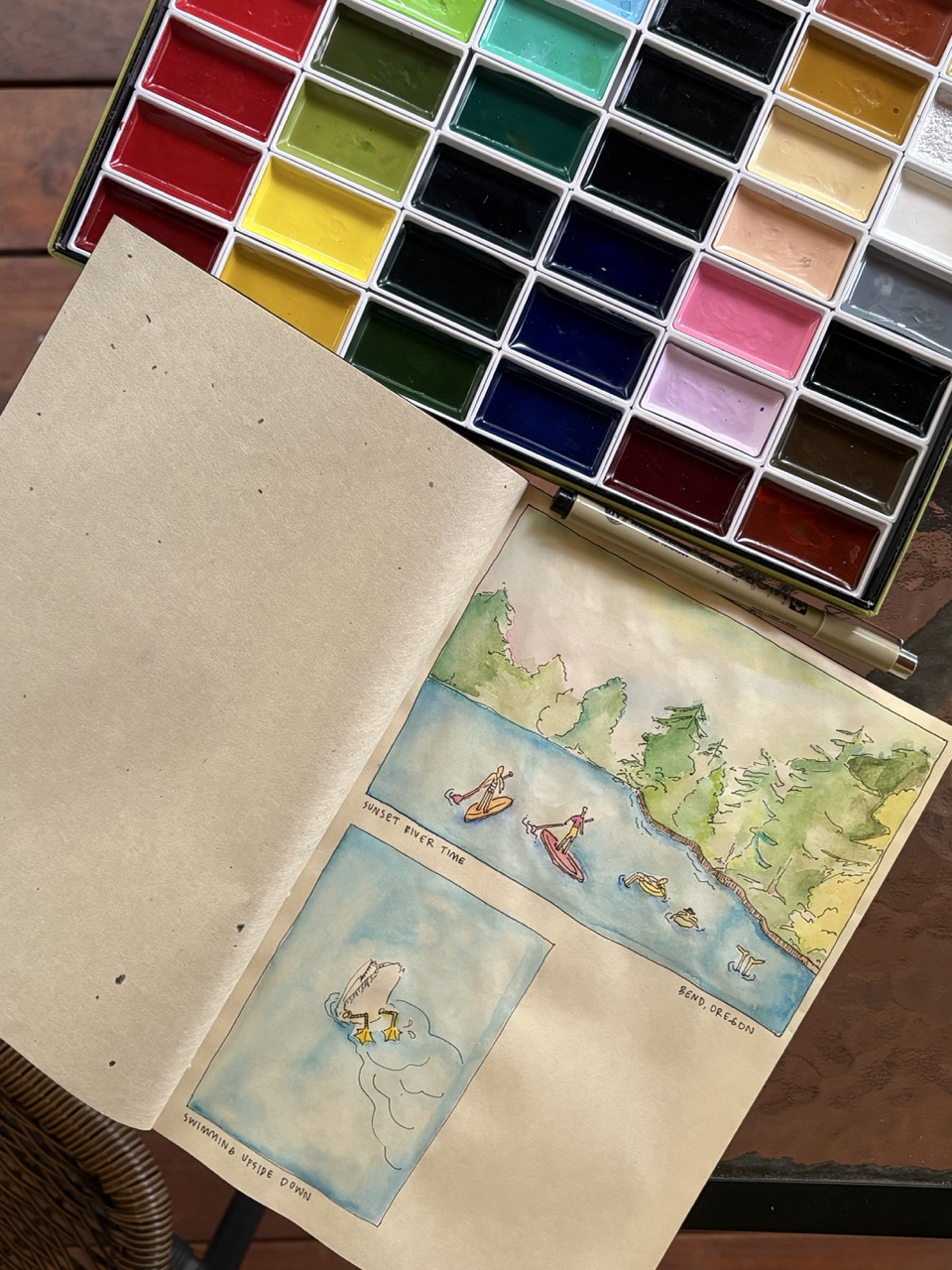
There’s a reason lo-fi content continues to outperform highly produced work across platforms. Content that feels closer to real life tends to hold attention longer, convert more effectively, and create a stronger sense of connection. Not because it’s trying harder, but because it’s trying less.
When something mirrors how people actually live, speak, and experience the world, it becomes easier to connect to. It feels familiar. It feels accessible. It feels real.
And that shift is changing what “good” looks like.
Polished used to signal credibility. Now it often creates distance.Imperfect, when done with intention, creates presence.
It signals that there’s a real person behind the work. Someone making decisions, responding in real time, shaping something that isn’t overly controlled or over-edited. That presence is what people are drawn to.
There’s also something deeper happening on a psychological level. People connect more quickly with what they can see themselves in, and when everything feels too elevated or too finished, it creates a subtle gap. A sense that this isn’t for them, or isn’t reflective of their reality.
When something feels a bit more human, a bit less perfect, that gap starts to close. It becomes more relatable, more approachable, more grounded in something real.
The tension now isn’t whether to use AI, because it’s already part of how we work. The real question is how to use it without losing the feeling.
AI is incredibly effective at speeding things up, organizing ideas, and helping bring concepts to life more efficiently. But it doesn’t replace taste. It doesn’t replace instinct. It doesn’t replace the small, nuanced decisions that give something depth.
And as more brands rely on the same tools, the same prompts, the same outputs, the work naturally starts to converge unless something intentionally pulls it back into a more human place.
The brands that are standing out understand how to hold both.
They move quickly and use the tools available to them, but they don’t stop there. They layer in the human elements that can’t be replicated. The unexpected angle. The slightly imperfect moment. The voice that feels real instead of rehearsed.
Because at the end of the day, people aren’t drawn to perfection.
They’re drawn to something they can feel.
And feeling has never come from perfect. It comes from human.

































.png)