Kauboi
From Dinner Reservation To a Night That Unfolds
services
Kauboi didn’t need better food, design, or traffic. It needed a point of view.
At its core, the brand was operating like a premium restaurant: reservation-driven, dinner-led, and time-bound. But the space told a different story. With four distinct environments: the terrace, main dining room, private dining room, and whiskey speakeasy, Kauboi wasn’t built for a single moment. It was built for progression.
The transformation began with a shift in perspective, one that moved Kauboi beyond traditional restaurant thinking and into the realm of experiential design.
Rather than asking, How do we drive more reservations?
We asked, How does a night at Kauboi actually unfold?
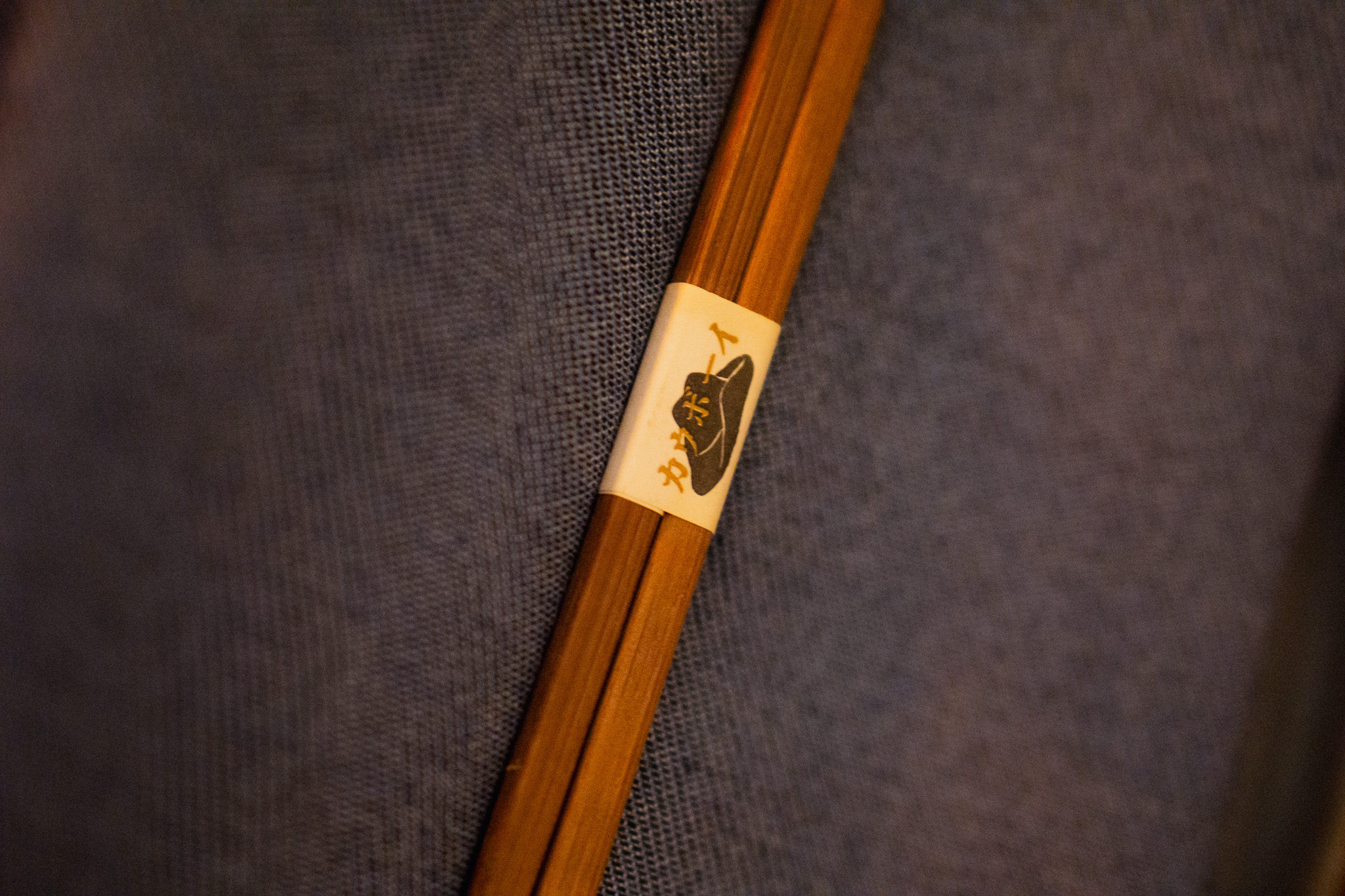
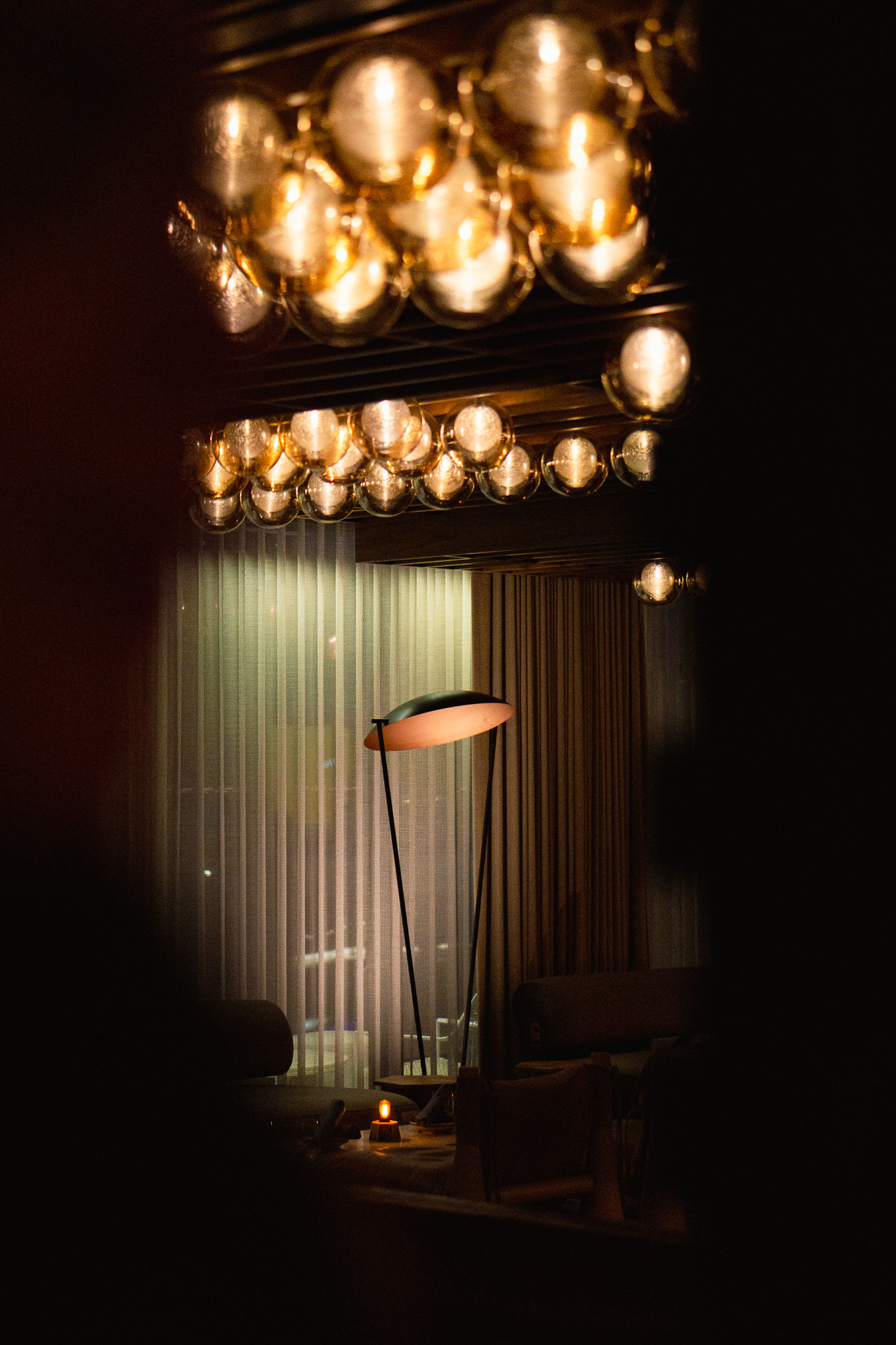
From there, everything came into view. Kauboi was repositioned from a place you go for dinner to a place you move through over the course of an evening. Not a static interaction, but a layered experience that builds, deepens, and evolves.
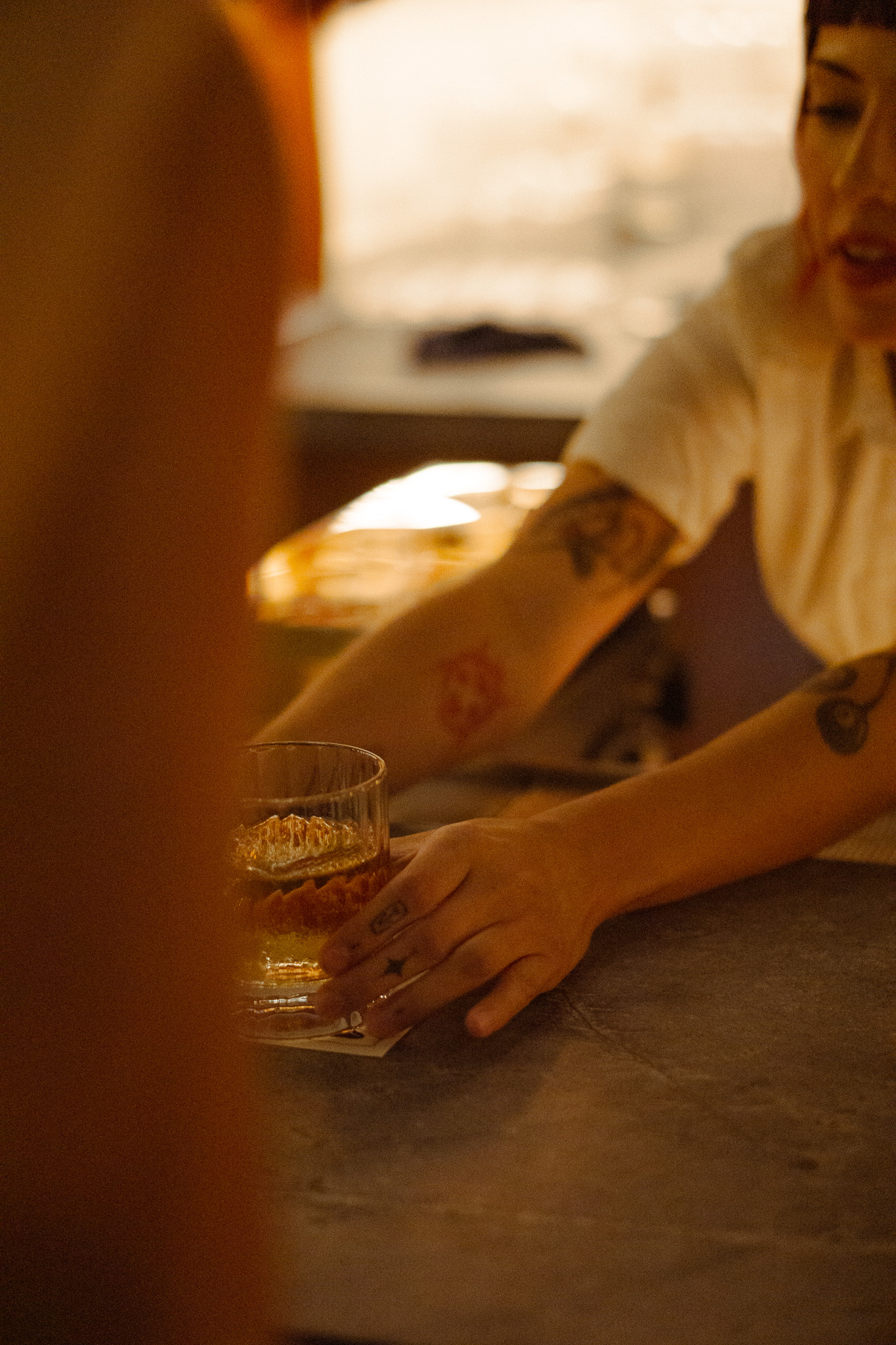
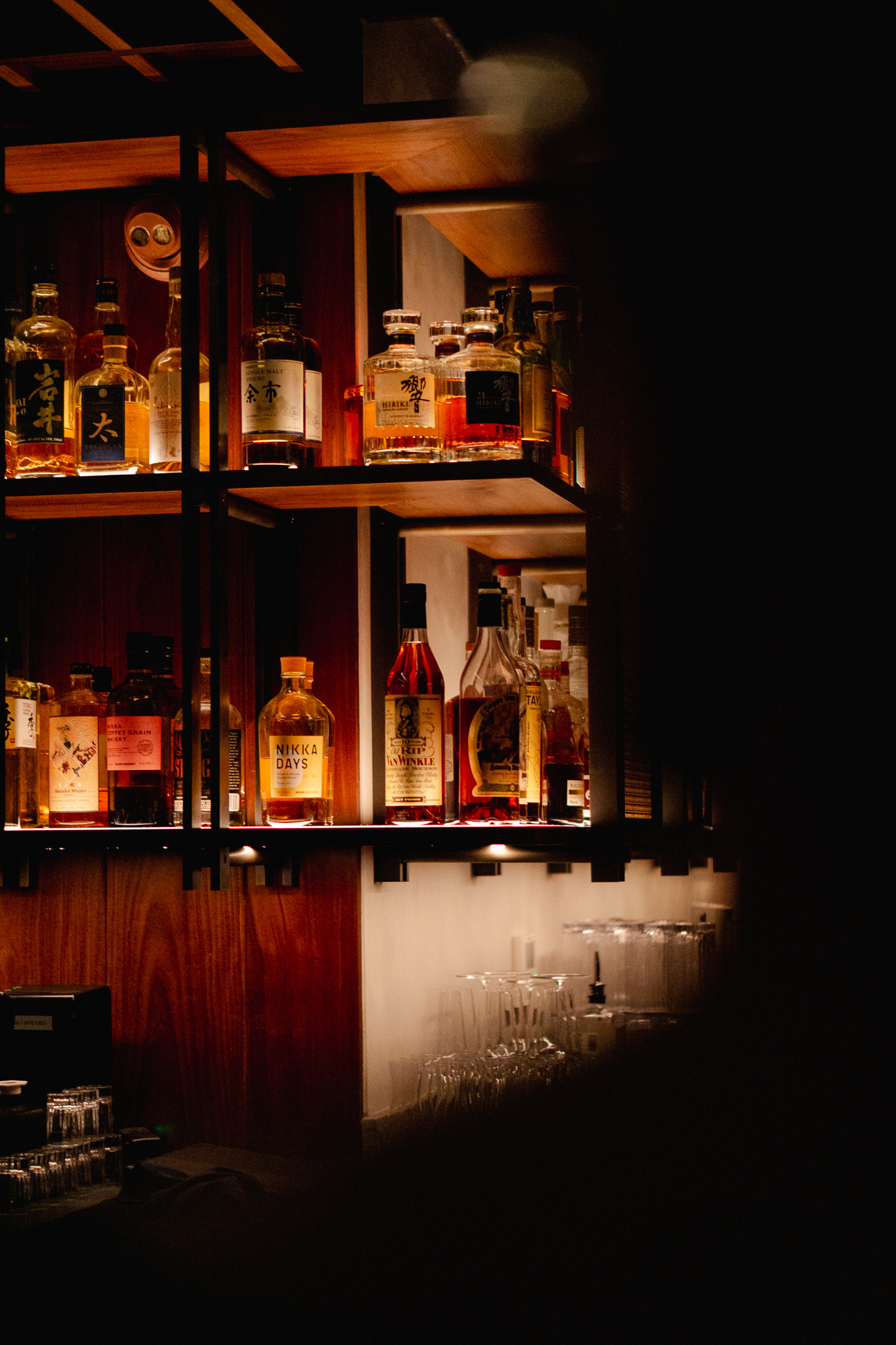
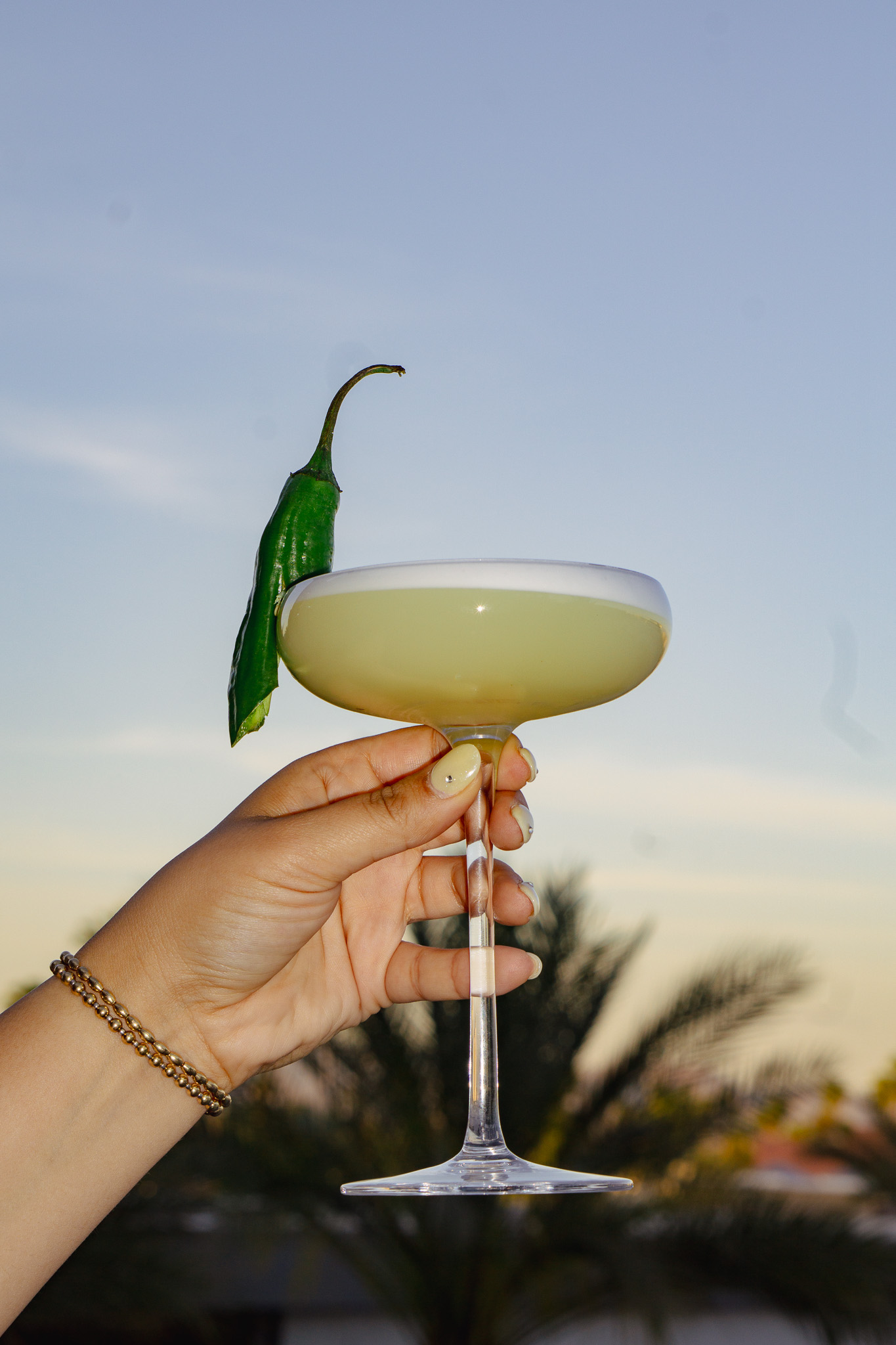
Each space was redefined as part of a larger journey: The terrace opens the night. The dining room anchors it. The private room refines it. The speakeasy holds it. Together, they create rhythm shifting between energy and intimacy, fire and precision.
The most critical shift wasn’t visual, it was temporal.
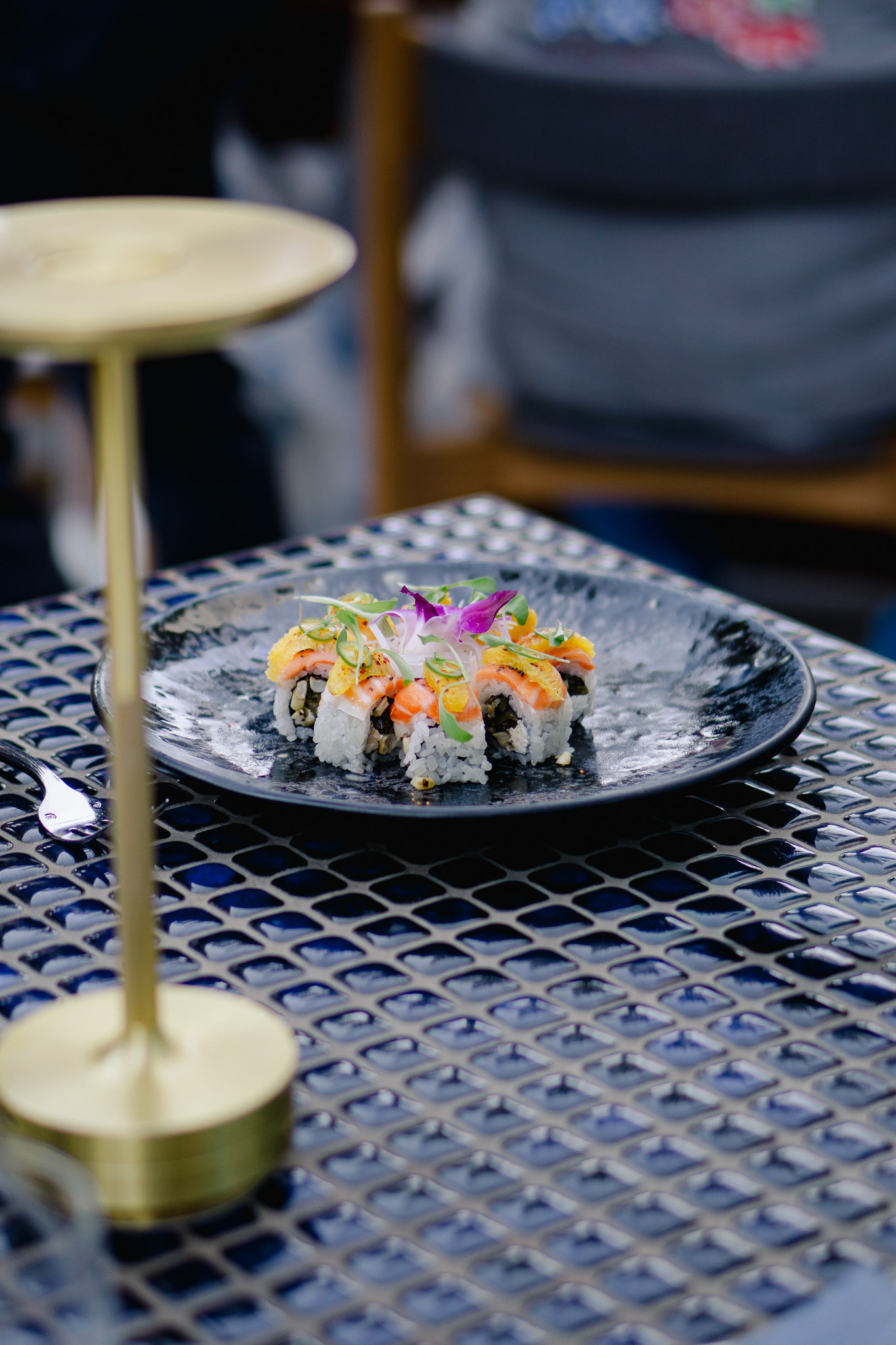
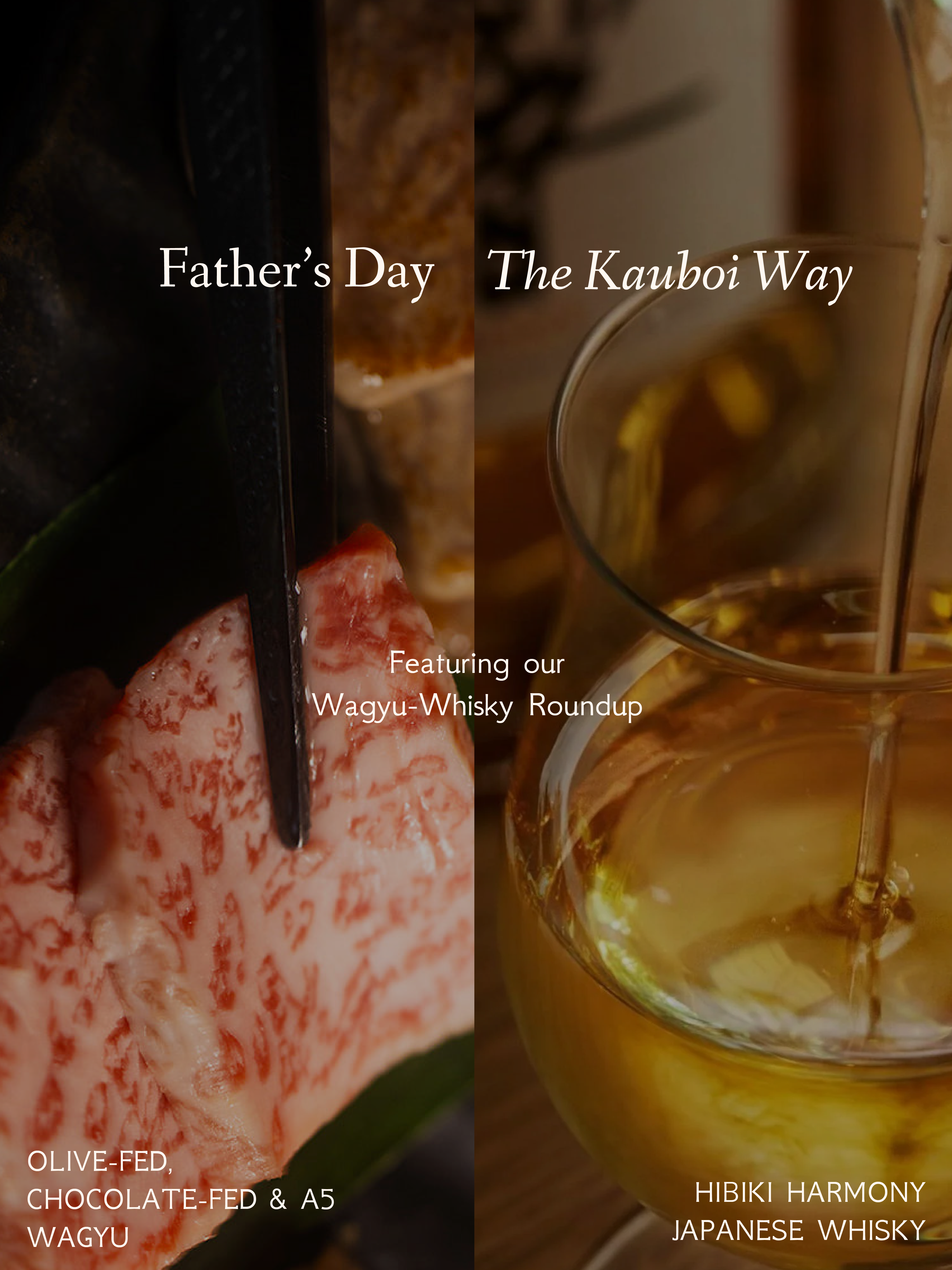

We moved Kauboi beyond the constraints of dinner service and into duration. Previously, the experience lived within peak hours, structured pacing, and a clear beginning and end. The opportunity was to extend that timeline, to create reasons to arrive earlier, stay longer, and move deeper into the space.
This is where programming became infrastructure, not an add-on.
Late-night terrace activations. Whiskey-led rituals. Chef-driven tastings. Intimate speakeasy moments. Each designed to introduce movement, create depth, and give the guest a reason to continue and a reason to return.
In parallel, the brand expression evolved.
We shifted from dish-led content to cinematic storytelling. From promotion to world-building. Fire became a visual language. Materials—wood, metal, smoke—became narrative. The focus moved to transitions, textures, and human presence, the subtle, in-between moments that actually define atmosphere.
The goal was never to document the experience. It was to evoke it.
The result is a fundamental shift: Kauboi is no longer a dinner destination. It is a layered environment, a space experienced in parts, not all at once.